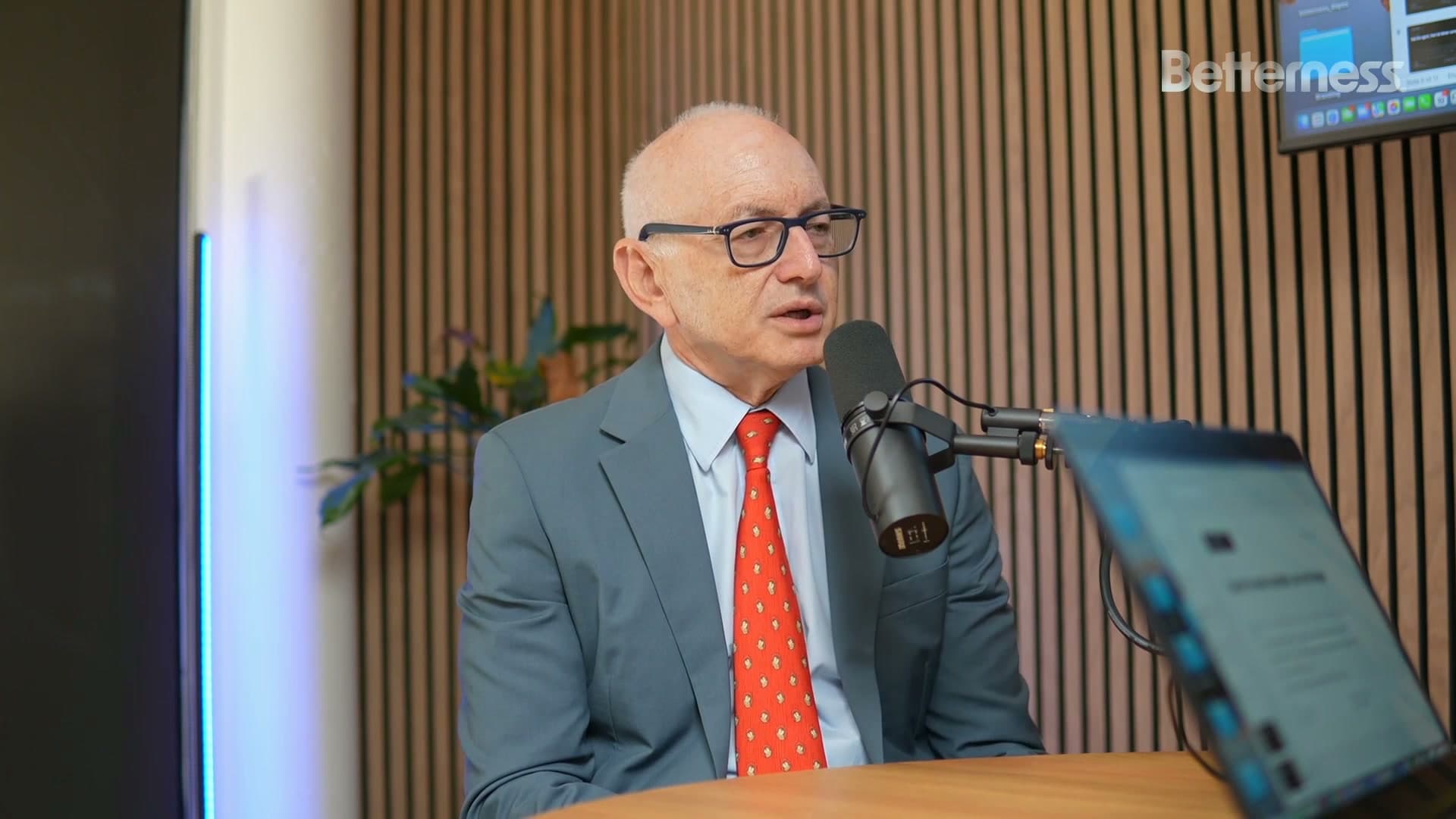
Patient care
The patient is a partner, not a case
Nimer's definition of good care starts before a treatment plan: understand what the person values, how the illness has changed their life, and what outcome they are trying to reach.
Director, Sylvester Comprehensive Cancer Center · Physician-scientist · Cyclist
Full episode
The ideas worth carrying into your own work.
Nimer's definition of good care starts before a treatment plan: understand what the person values, how the illness has changed their life, and what outcome they are trying to reach.
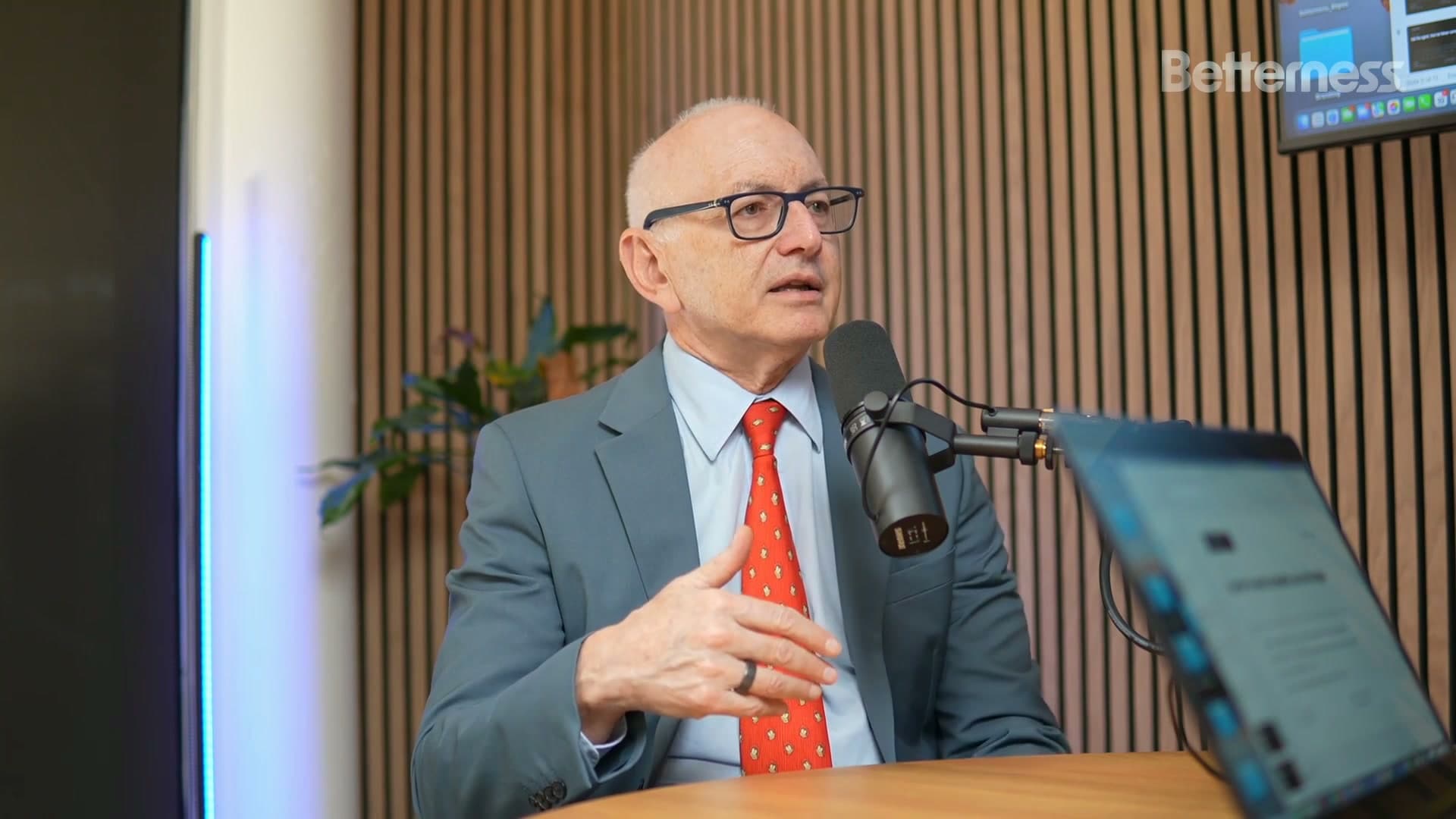
The Dolphins Cancer Challenge connects riders and donors to cancer research and care at Sylvester. Nimer explains how that support helped recruit investigators, seed ideas, and build institutional momentum.
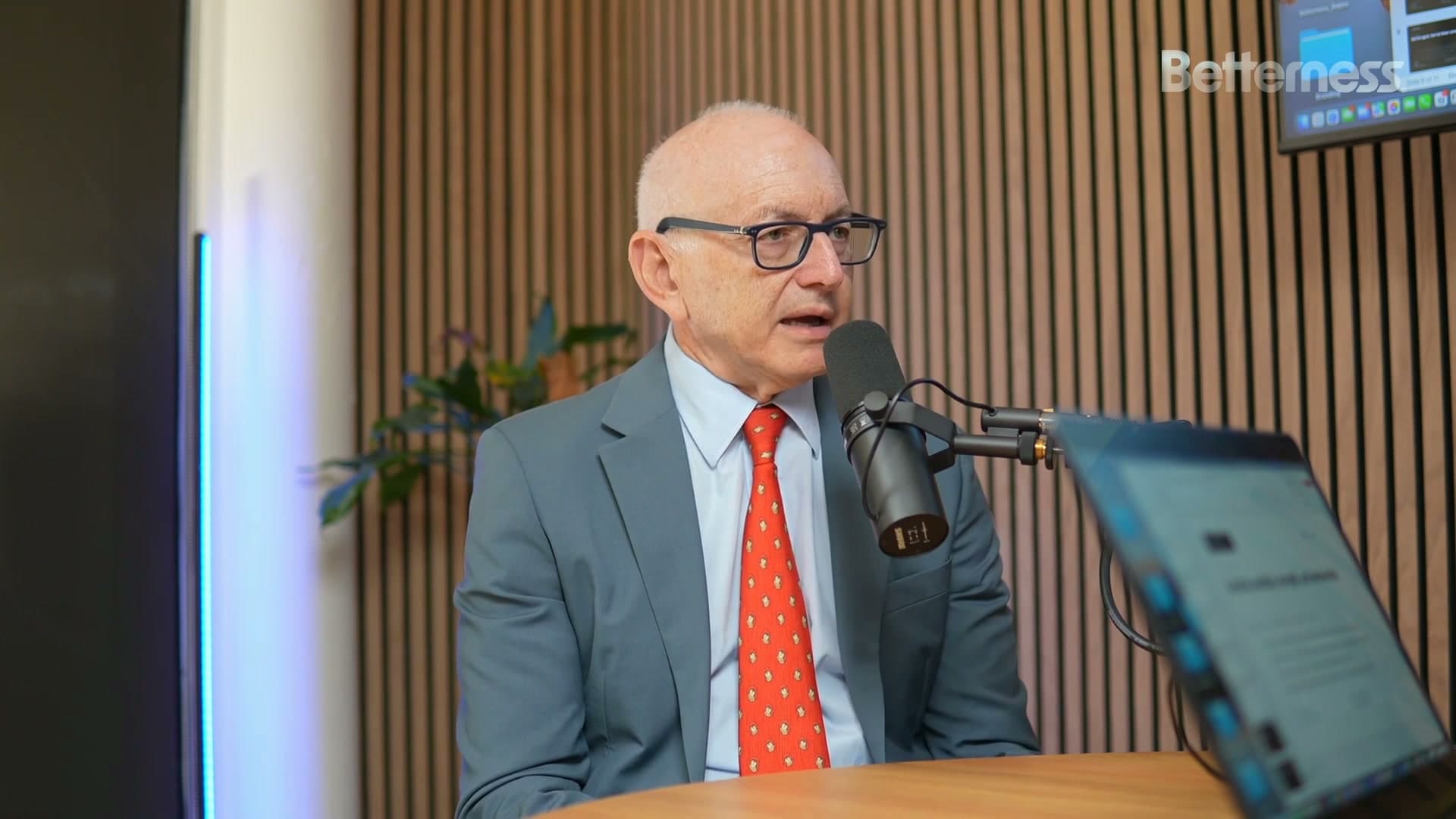
Cancer is not one disease with one finish line. Different tumors, mutations, immune responses, and patient contexts require many paths to prevention, control, and cure.
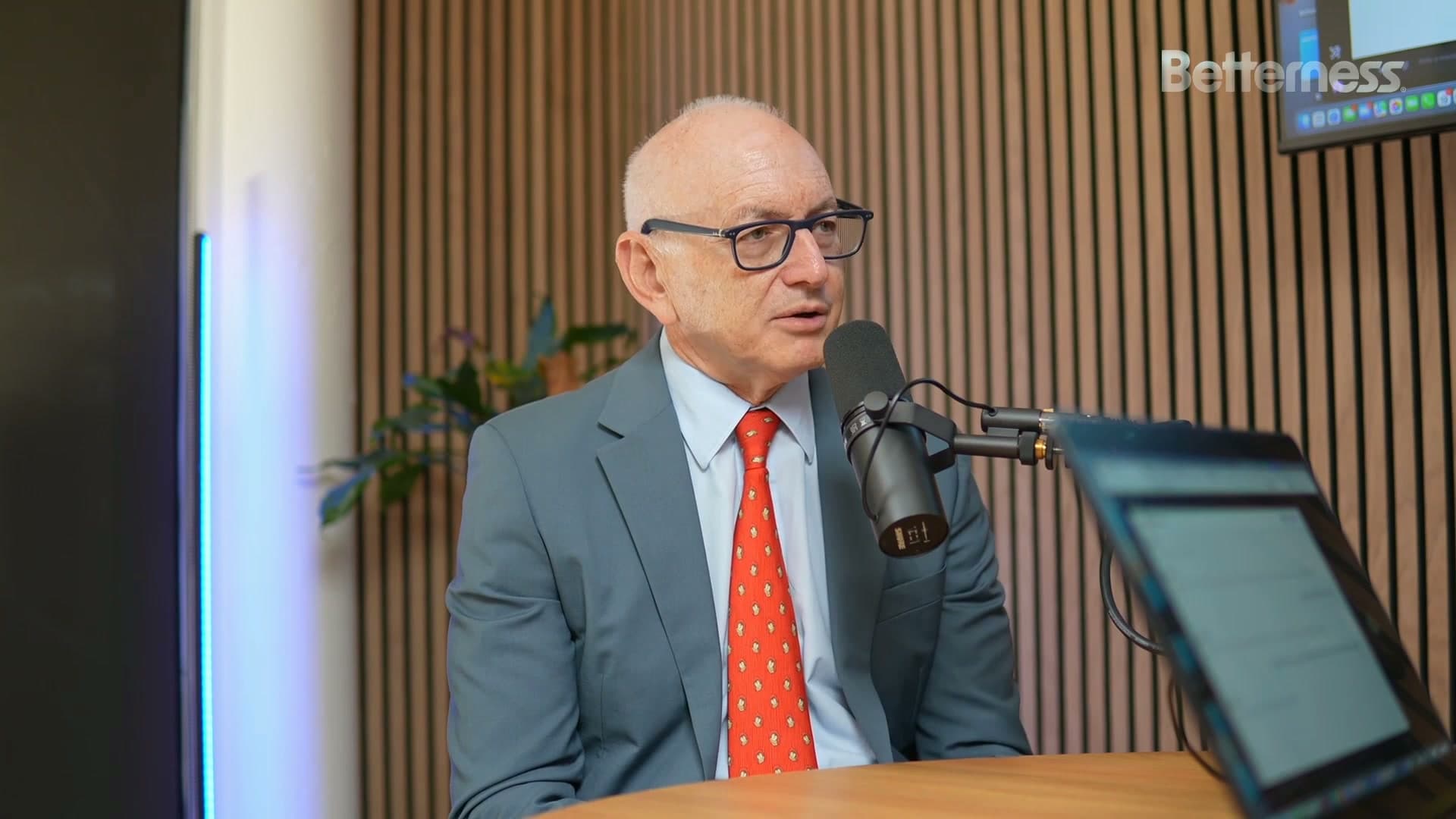
Nimer recalls a conference result that earned a standing ovation because it changed expectations for patients with a difficult cancer. The moment captures why clinical evidence matters beyond the chart.
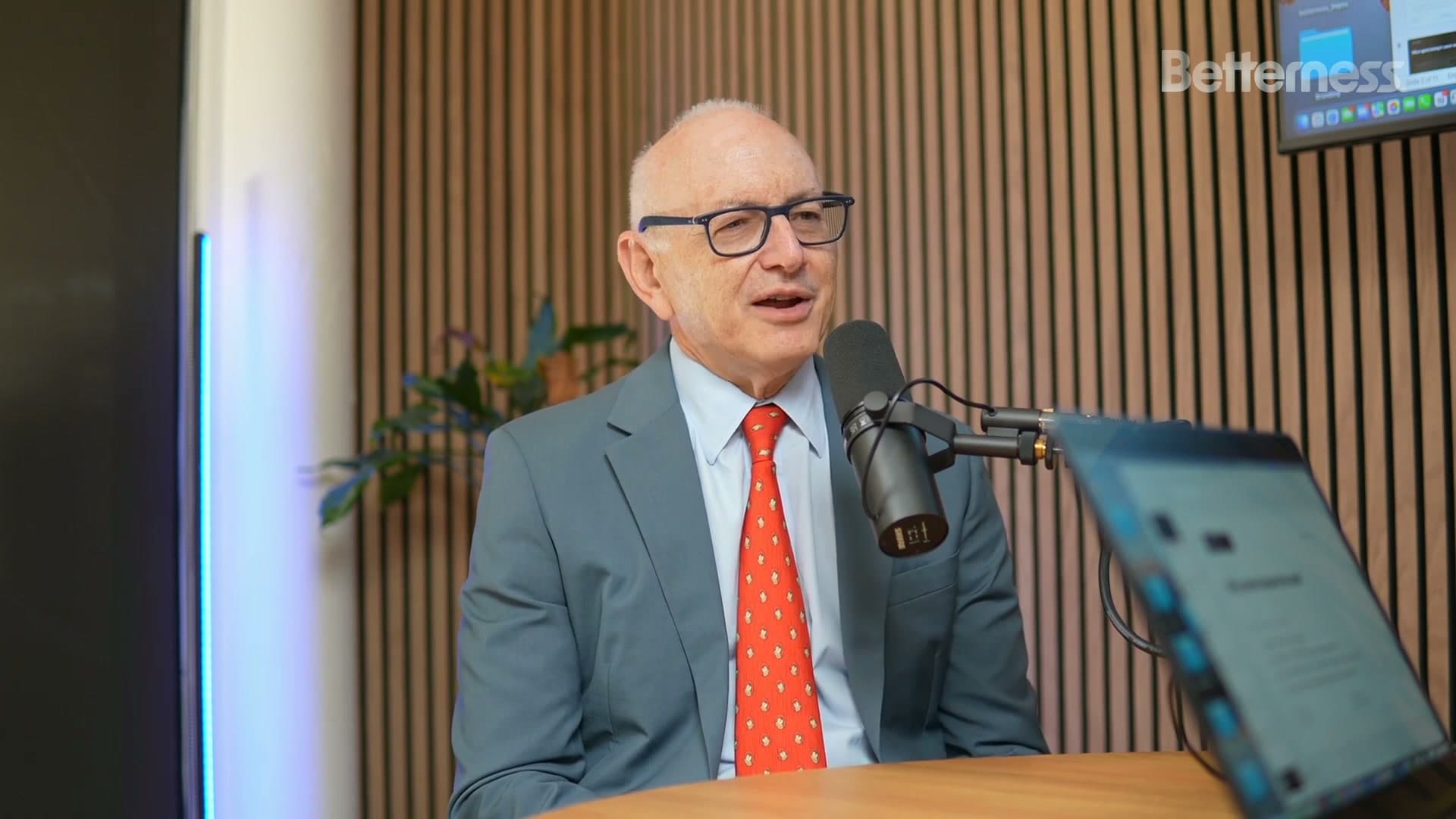
He sees AI helping researchers explore molecular possibilities and design candidate drugs faster. The promise is acceleration, while validation, trials, and clinical judgment remain essential.
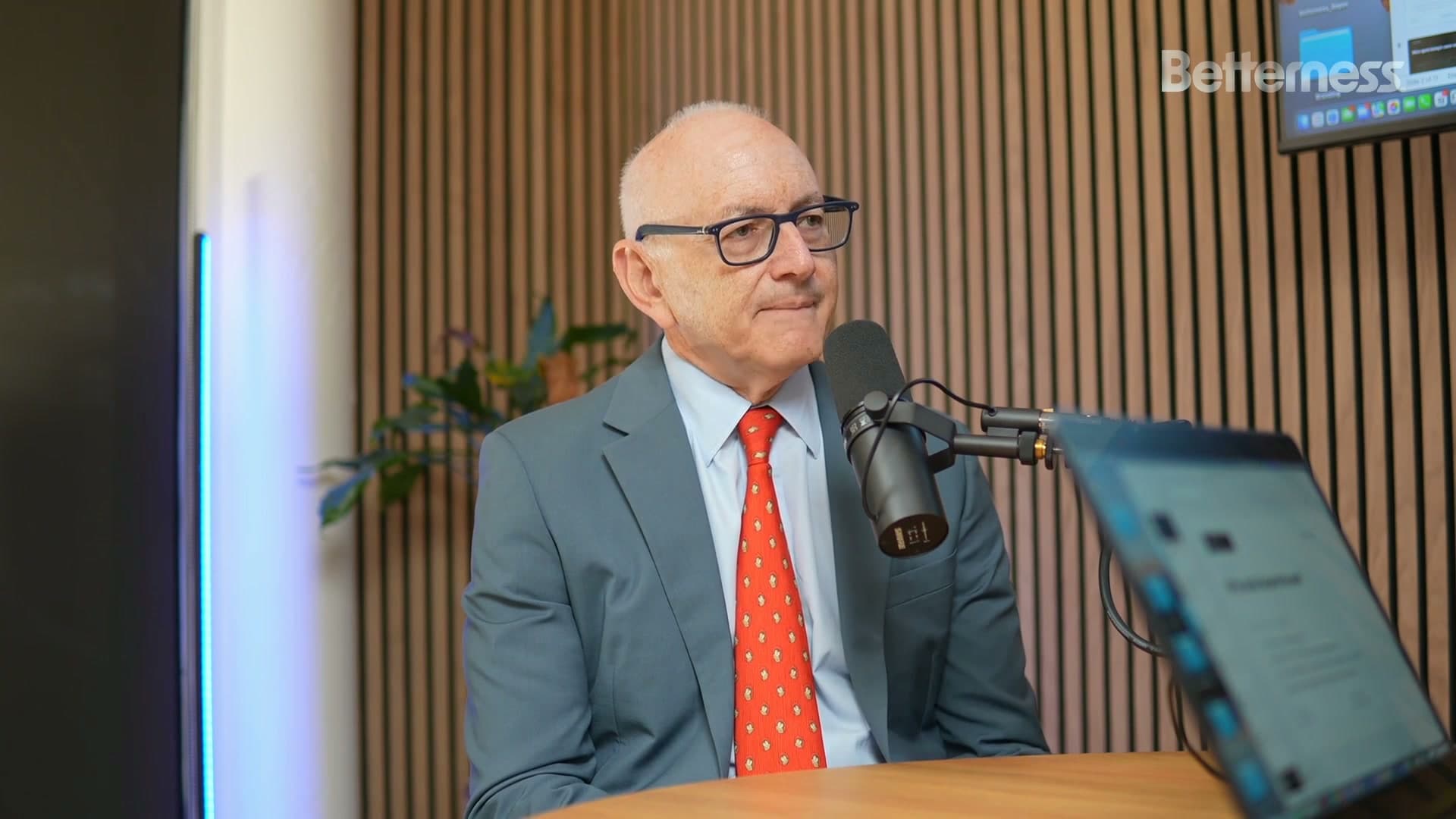
The most advanced technology does not remove the physician's first responsibility. It should create more room to hear what patients report and understand the person behind the disease.
Progress depends on research, community, and the discipline to listen to the person behind the disease.
The first role of the doctor is to listen.
The disease is not the issue. The issue is the patient.
There's not going to be one cure for all cancers.
Every dollar that's raised for the DCC goes directly to Sylvester for cancer research and cancer care.
They see they can do things they had never dreamed of.
Patient-reported outcomes are much more accurate.
Each one stands on its own — built to watch, post, and pass along.
He rode 100 miles during radiation
“A personal story about treatment, cycling, and what recovery can make possible.”
What DCC support helped build
“How a community challenge can expand research and care capacity.”
Cancer needs cures, plural
“Why cancer cannot be reduced to one disease or one solution.”
The result that earned a standing ovation
“A clinical breakthrough changed what physicians could imagine for patients.”
AI is designing drugs
“Where artificial intelligence is beginning to accelerate cancer research.”
A doctor's first role is to listen
“Technology should deepen the patient relationship, not displace it.”
The patient is your partner
“Good cancer care begins by understanding the person and the life they want back.”
What patients tell the computer
“Patient-reported outcomes may reveal context that short clinical encounters miss.”
Hosted by
Demian Bellumio — co-founder and co-CEO of Betterness, longtime Miami tech entrepreneur — has built across applied AI (his field is graph computing), media, telemedicine, and mental health. On Augmented Wellness he interviews from the inside: a builder comparing notes with the founders, healers, coaches, and operators on a mission to make the world better.
Hosted at
Recorded at The LAB Miami in Wynwood (studio partner), with on-site production by Podcast Studio Miami.
Episode 005 turns the public Faces of the DCC research list into a navigable research-literacy tool. Riders, donors, patients, families, and agents can explore researchers, cancer areas, programs, and contextual publications while keeping direct DCC support distinct from broader related research. It is a map for asking better questions, not a claim that DCC funded every paper it links.
Explore the people, programs, and research themes connected through the Dolphins Cancer Challenge.
The people
Profiles for the researchers and programs highlighted by Faces of the DCC, connected to their stated areas of work.
The graph
A browser-based map linking researchers, cancer areas, programs, institutions, and contextual publications.
The evidence boundary
Every relationship is labeled so direct DCC support is not confused with a researcher's broader publication history.
The agent layer
A grounded prompt helps an LLM answer from the corpus, cite its source, and say when the public evidence does not establish a funding claim.
# explore the DCC research network
dcc-research-map.html — the interactive network you can open locally
data/graph-data.json — structured researchers, themes, programs, and relationships
agent-prompt.md — the source-grounded research navigator behavior
methodology.md — how support, authorship, and contextual relevance are kept separate
For humans & agents
Built to be read by you — or your AI
Produced by Demian Bellumio with the support of agents from Betterness One — the agentic studio inside Betterness — including specialist agents for content, design, video, photography, insights, brand, and social, coordinated by Bett-i. Recorded at The LAB Miami; on-site production by Podcast Studio Miami.
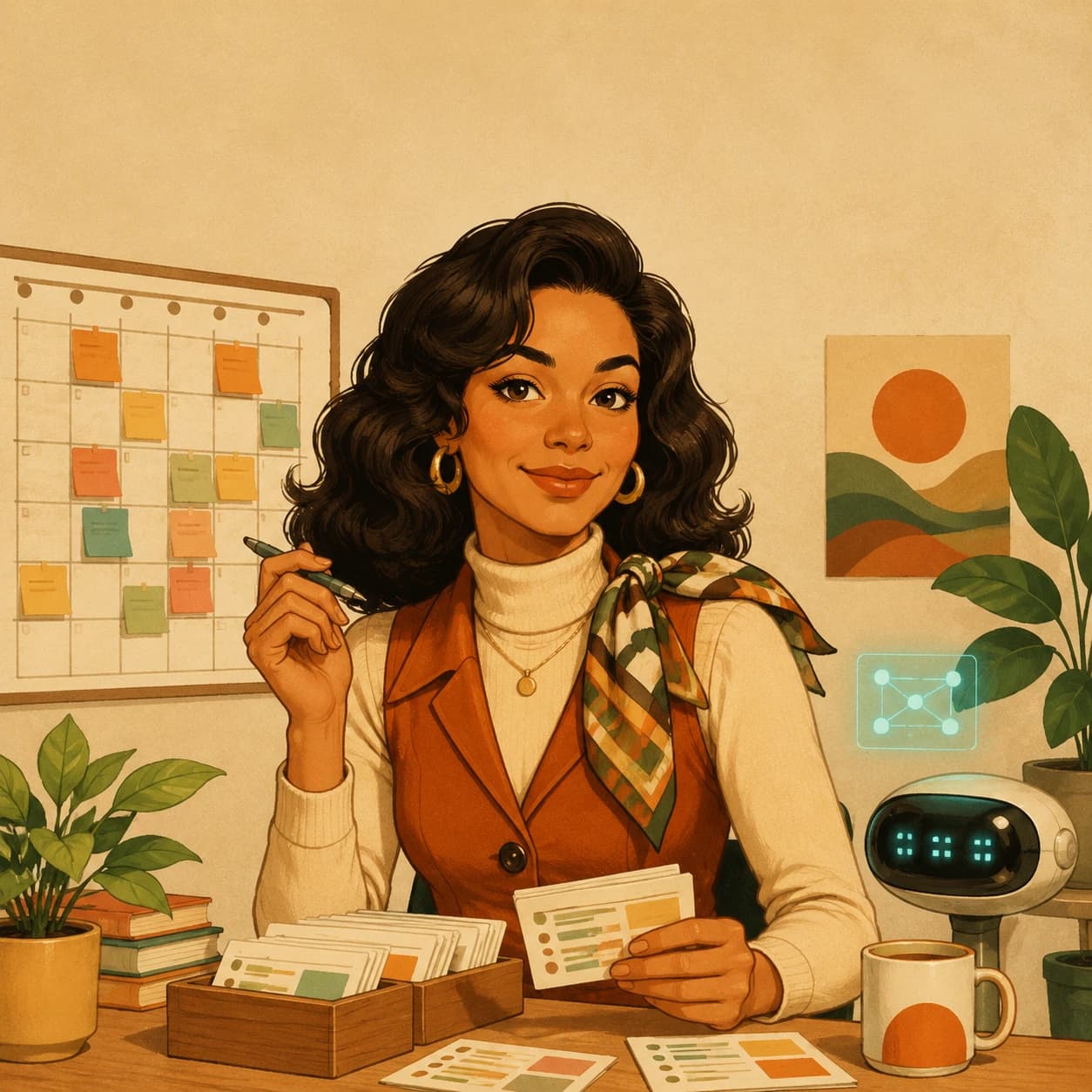
Content Strategist
Built the episode around research, leadership, patient care, cycling, and the discipline of listening.
Design Director
Prepared the DCC-inspired opening, guest artwork, photography, and episode hierarchy.
Video Producer
Assembled the final master, exact cold open, captions, and eight complete capsule narratives.
Insights Analyst
Mapped the cancer-care, DCC, AI, survivorship, and patient-reported-outcome themes to the transcript.

Brand Strategist
Kept clinical and funding claims attributed to what the conversation and public sources support.
Social Intelligence
Assigned distinct capsule stories to Instagram, YouTube, LinkedIn, X, and institutional partners.
Powered by Claude · OpenAI Codex · DaVinci Resolve · Azure Speech · ElevenLabs · ffmpeg
Meet Bett-i and explore the same kind of agentic experience we brought into this episode. Then let Betterness One put the production and insight agents behind Augmented Wellness to work for your business.